
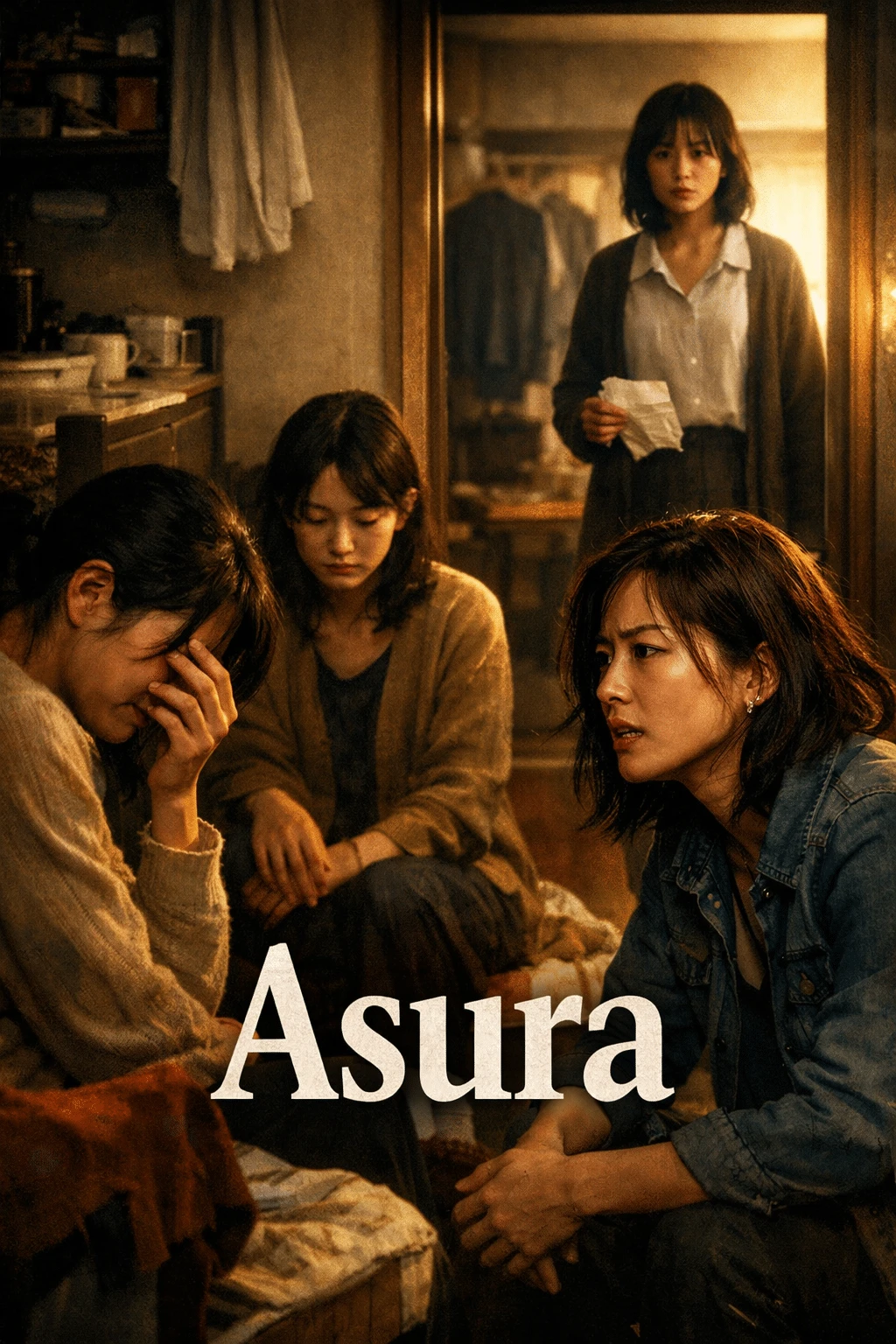
Asura: A Deep Dive into Modern Japanese Family Life
Advertisements
Directed by the renowned Hirokazu Kore-eda, “Asura” stands out as yet another outstanding work from this Japanese filmmaker, skillfully capturing the intricacies of familial relationships. The story revolves around four sisters whose lives are irrevocably altered by their father’s betrayal, prompting a sensitive examination of the foundations that uphold family ties.
Storyline and Composition
Kore-eda intricately weaves the storyline with his signature meticulousness, crafting each character with layers of depth that unfold gradually. The revelation of the father’s infidelity is not merely a plot twist; it serves as a springboard for universal inquiries about trust, forgiveness, and the various interpretations of familial love. Each sister’s response to this revelation reflects her unique personality and life stage.
Directorial Vision and Aesthetic
The director upholds his reflective and realistic approach, employing extended shots and thoughtful compositions that emphasize the importance of subtle gestures and poignant silences. Kore-eda’s camera acts almost like an additional family member, capturing private moments without intrusiveness. The gentle cinematography and muted color scheme help foster an atmosphere of subdued melancholy, a hallmark of the director’s style.
Core Themes
The film goes beyond the initial theme of betrayal, delving into more extensive issues surrounding human nature and familial connections. The concept of loyalty is explored from various angles: between partners, parents and children, and among siblings. Forgiveness is presented not as a simple solution but as a nuanced and individual journey. Kore-eda also subtly reflects on the societal pressures faced by families in Japan and the evolving role of women in modern society.
Acting and Character Evolution
The performances are authentic and compelling, steering clear of melodrama to achieve a genuine emotional resonance. Each sister is depicted with her own complexities and drives, evolving into multifaceted characters that the audience can relate to easily. The father, though physically absent from the action, remains a significant presence through the daughters’ memories and reactions.
Key Highlights
The primary strength of “Asura” lies in its ability to turn an ostensibly ordinary scenario into a profound commentary on the human experience. Kore-eda refrains from oversimplified moral conclusions, opting instead to showcase the intricacies of human emotions with stark honesty. The gradual crescendo of emotional tension is expertly crafted, culminating in cathartic moments that feel authentic and unforced.
Concluding Thoughts
“Asura” reaffirms Hirokazu Kore-eda’s prowess in crafting family dramas that resonate on a universal level, despite their culturally specific backdrop. The film serves as both an intimate exploration of a family in turmoil and a broader reflection on the connections that shape our identities. It is an essential viewing for fans of contemporary Japanese cinema and for those who appreciate narratives that emphasize psychological depth over traditional dramatic devices.
With its sensitive direction, genuine performances, and thoughtful engagement with complex themes, “Asura” adds yet another remarkable entry to Kore-eda’s accomplished filmography, solidifying his status as a profound observer of the human spirit in modern cinema.