
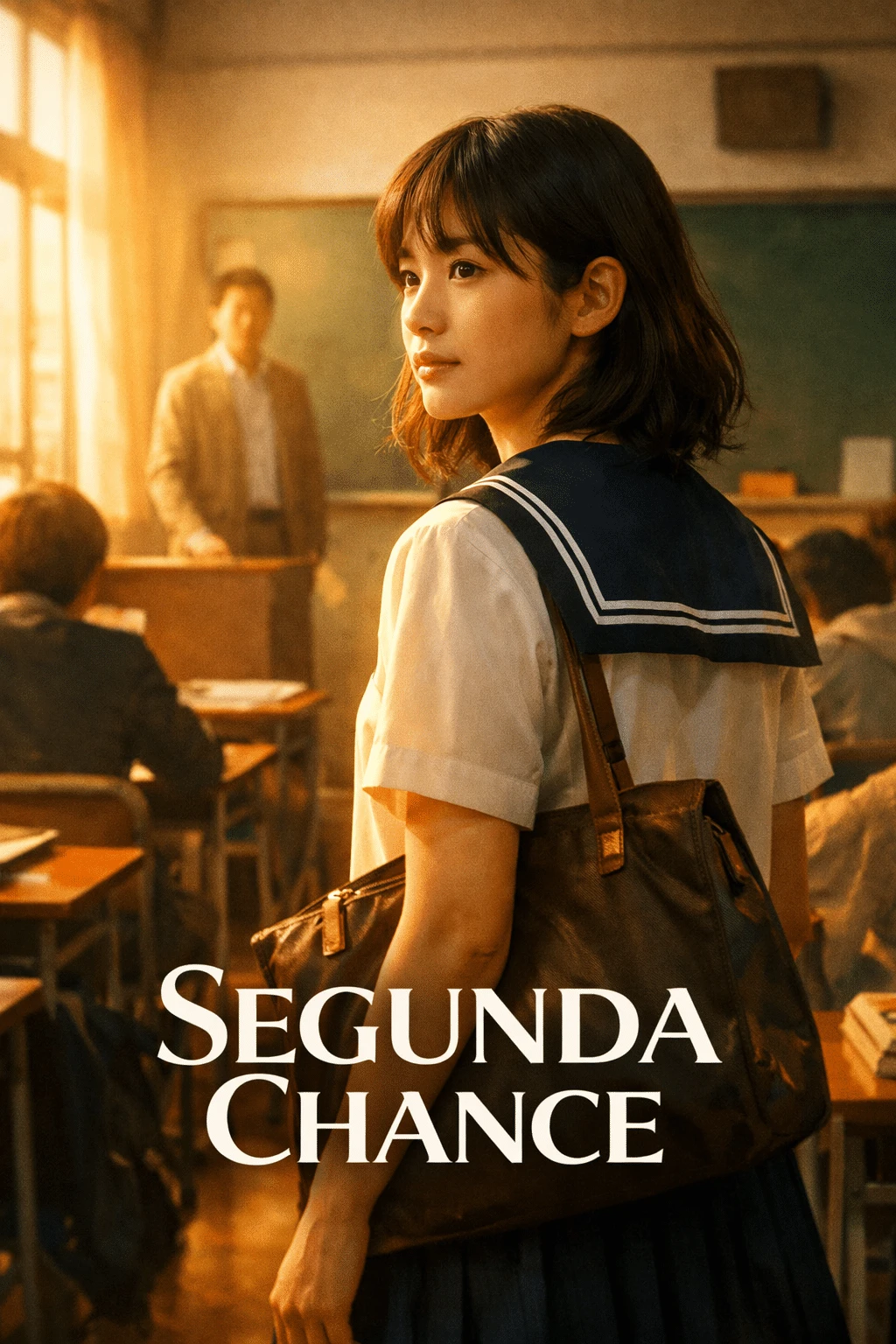
A Fresh Start: Exploring Redemption Through Revisited Moments
While I couldn’t locate a specific Japanese series named “Second Chance” that aligns with the description provided, the idea of a woman revisiting pivotal moments in her life in search of redemption closely aligns with “Brush Up Life” (2023), a Japanese drama that effectively delves into similar topics. This examination will focus on both the conceptual foundation and the narrative opportunities that such a series presents.
Advertisements
The Fundamental Concept of a Fresh Start
The idea of a woman given the chance to relive a significant moment in her life embodies one of humanity’s most profound fantasies: the opportunity to amend errors, make alternative choices, and seek forgiveness for past actions. This narrative framework provides fertile ground for examining themes like fate versus autonomy, the burden of decisions, and the transformative power of regret.
The path of self-discovery through the re-experiencing of past events enables profound reflection on how minor decisions can lead to significant outcomes. Each fresh attempt to revisit the same timeframe presents chances for personal development, deeper understanding of intricate relationships, and unearthing hidden facets of one’s identity.
Character Evolution and Emotional Maturation
The protagonist’s character arc serves as the emotional core of this story. At first, she may approach her “second chances” with a mindset focused on mere corrections—altering specific actions to yield different outcomes. However, true growth occurs when she realizes that redemption involves not just modifying external events but also reshaping her internal viewpoint.
The repetition of experiences facilitates a thorough examination of familial, romantic, and platonic relationships. The protagonist can recognize how her past behaviors impacted others, fostering empathy and comprehension that were lacking in her initial journey. This process of self-awareness through repetition reveals insights into behavioral patterns, defense strategies, and essential values.
Exploration of Philosophical Ideas
A series founded on this premise inevitably touches on profound existential inquiries. The cyclical nature of the narrative invites the exploration of concepts such as karma, poetic justice, and the interconnectedness of human actions. The protagonist confronts the dilemma of how much change is feasible when one possesses knowledge of life’s “script,” questioning whether fate is predetermined or flexible.
Additionally, the series delves into the balance between acceptance and change. Not all life aspects can or should be modified, and part of the journey is learning to discern what can be altered from what must be embraced. This wisdom often holds greater significance than the ability to relive past events.
Relational Dynamics and Human Bonds
The most poignant element of this concept lies in the chance to mend fractured relationships. The protagonist has the opportunity to voice unexpressed love, apologize for past wrongs, and provide support during critical moments she initially overlooked. These reparative encounters often carry more weight than significant plot alterations.
The series investigates how foreknowledge of events can simultaneously assist and complicate interpersonal relationships. The protagonist must balance using her knowledge for the benefit of others while preserving the authenticity of her relationships. This delicate equilibrium between benevolent manipulation and emotional honesty generates continuous narrative tension.
Unforeseen Outcomes and Ethical Complexity
A nuanced approach to this premise inevitably examines how seemingly beneficial changes can lead to unexpected repercussions. The protagonist may discover that “correcting” one mistake gives rise to new challenges or that some suffering is essential for personal development. This ethical complexity elevates the narrative beyond mere wish fulfillment.
The series also scrutinizes the burden of responsibility that accompanies foreknowledge. The protagonist wrestles with the dilemma of intervening versus remaining passive, especially when aware of future tragedies impacting others. This additional moral obligation injects psychological tension into the storyline.
Fantasy Elements and Emotional Authenticity
Though the concept is fantastical, the series’ emotional resonance stems from its commitment to psychological authenticity. The feelings, relationships, and personal growth must resonate as genuine, even within a supernatural framework. This blend of fantastical elements with emotional truth is a hallmark of the finest Japanese dramas tackling comparable themes.
The series likely weaves in elements of magical realism, where supernatural features are treated as a natural part of the narrative. This method allows the focus to remain on the protagonist’s emotional evolution while embracing the fantastical premise as a vital catalyst.
Possibilities for Catharsis and Resolution
The ultimate aim of this journey is to attain genuine catharsis—not only for the protagonist but also for the audience who resonates with her regrets and aspirations for redemption. A fulfilling resolution doesn’t necessarily entail “fixing” everything but achieving inner tranquility and acceptance of past decisions.
The series instills hope that personal growth is always attainable and that redemption is feasible even for those burdened by heavy regrets. This universally appealing message is what renders “second chance” narratives profoundly impactful and emotionally charged.
Cultural and Universal Significance
In the context of Japanese culture, themes of redemption and personal growth through repeated experiences echo Buddhist principles of rebirth and karma. Nevertheless, the universal nature of human regret and the longing for second chances renders the narrative pertinent to audiences worldwide.
The series serves as a contemplation on the essence of personal transformation and the potential for change at any stage of life. This message of hope and renewal is particularly significant in societies that place great importance on making the “right” choices in youth.
Concluding Thoughts
A series that delves into the idea of a woman revisiting critical moments in her life presents abundant narrative potential for exploring deeply human themes. The fusion of fantastical elements with emotional authenticity, character development through repetition, and the universal pursuit of redemption creates a premise with the capacity for lasting emotional resonance.
The efficacy of such a narrative hinges on its ability to harmonize fantastical elements with emotional truth, offering real insights into personal growth and human connections. When executed with care and depth, it can result in a viewing experience that not only entertains but also imparts valuable perspectives on change and personal redemption.